
An exploration of how AI can help restore and pass on the photographic heritage of the 19th century.
At Drones Imaging, our core expertise lies in image processing, analysis, and enhancement. For more than thirteen years, we have applied these skills to the fields of geomatics, cartography, and remote sensing, where image quality is essential for understanding, measuring, and supporting decision-making. However, the techniques we develop are not limited to these applications. They can also play a valuable role in the preservation and enhancement of cultural heritage. This project was carried out on a pro bono basis, with the sole purpose of contributing to the preservation and appreciation of an exceptional photographic heritage, without any commercial objective.
The project presented here focuses on an exceptional collection of portraits of Arthur Rimbaud’s family: his parents, his brother Frédéric, and his two sisters, Vitalie and Isabelle. Marked by the passage of time, these nineteenth-century photographs have undergone an AI-assisted restoration process, combined with careful human intervention to preserve the integrity of the original documents as faithfully as possible. The objective was not to reinvent these faces, but rather to improve their legibility, reveal details that had faded over time, and offer a more immediate connection with the people who surrounded one of France’s greatest poets.
Through the before-and-after comparisons presented in this article, readers can appreciate the possibilities offered by today’s image processing technologies. Beyond the technical demonstration, this project illustrates how recent advances in artificial intelligence can help bring the public closer to its photographic heritage, making history more vivid, more accessible, and more tangible.
Our Approach
The photographs of the Rimbaud family represent an exceptional yet extremely limited visual heritage. Many of these portraits, taken between the mid- and late nineteenth century, have been affected by the passage of time, making them difficult to interpret in their current state. Artificial intelligence now offers new possibilities for restoring such images—not to rewrite history, but to improve the readability of historical documents and, where information is incomplete, to propose reconstructions that are explicitly presented as informed interpretations rather than historical certainties.
Our approach consists of confronting the capabilities of artificial intelligence with the historical evidence available. Each restoration begins with the original photograph and, whenever necessary, is informed by documentary sources such as contemporary descriptions, historical context, and comparable iconography. Throughout the process, we make a clear distinction between what is directly supported by the visible evidence and what remains an interpretative reconstruction.
Frédéric Rimbaud
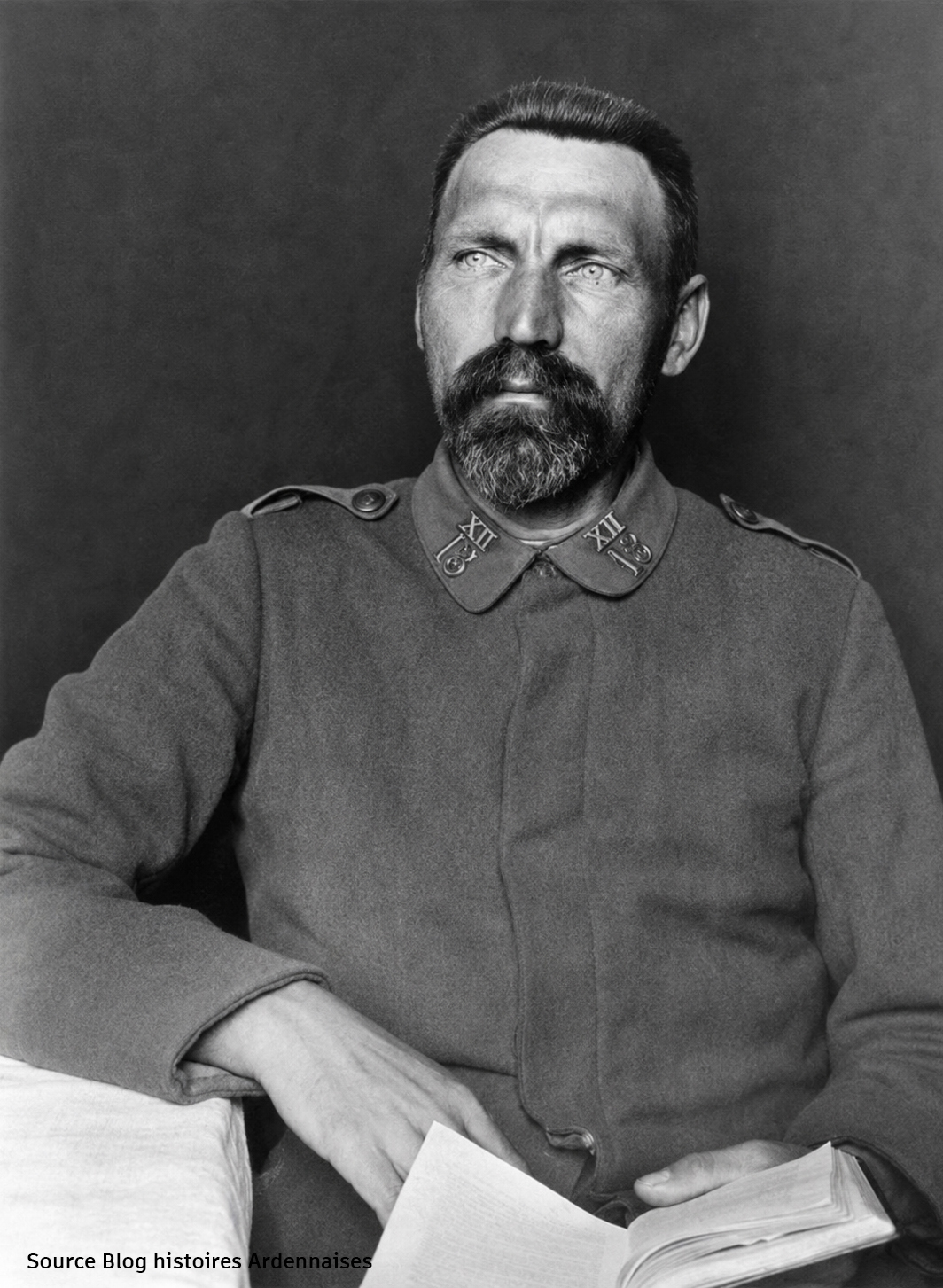
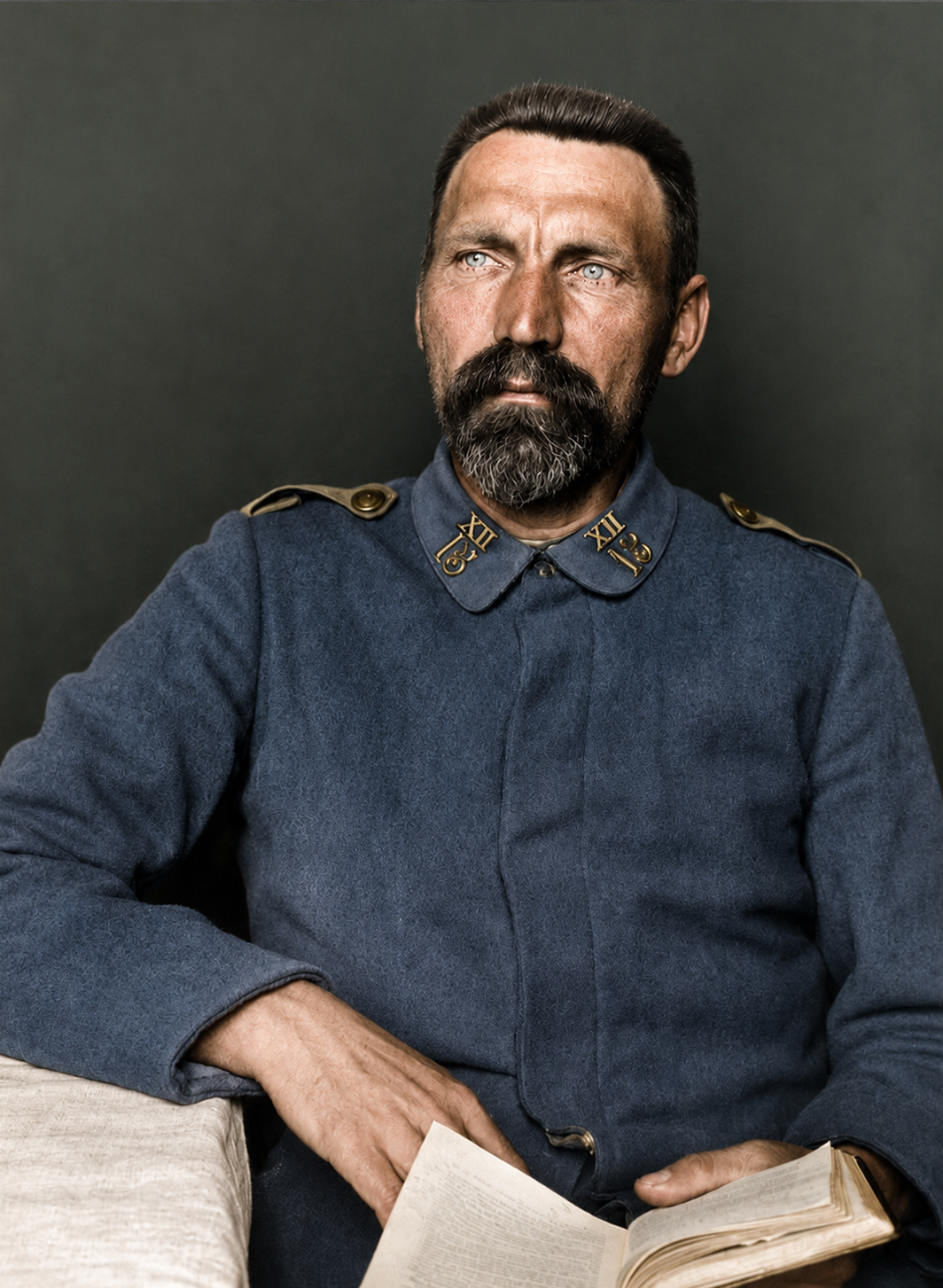
Arthur Rimbaud’s father, born on 7 October 1814 in Dole (Jura) and deceased on 17 November 1878 in Dijon (Côte-d’Or). An officer in the 47th Infantry Regiment, he took part in the Algerian campaigns, the Crimean War, and the Italian Campaign. A military administrator, writer, journalist, linguist, and ethnologist, he pursued an exceptional career before permanently leaving his family in 1860. To the best of our knowledge, this portrait is one of the very few surviving photographs of the man from whom Arthur Rimbaud is thought to have inherited some of his physical features.
This AI-assisted restoration does not alter the historical content of this photograph, which is already of remarkable quality. Instead, it offers a realistic colour interpretation. Textures and facial relief have been reconstructed, while certain elements remain hypothetical: the eyes have been rendered blue, consistent with several historical sources indicating that Arthur Rimbaud had blue eyes, and the colour of the jacket is an interpretation based on military uniforms of the period. Beyond its technical aspects, this restoration creates a striking sense of proximity to the man himself. One can even perceive what appears to be a remarkable resemblance between his gaze and that of his son, Arthur Rimbaud.
Vitalie Rimbaud, born Marie Catherine Vitalie Cuif
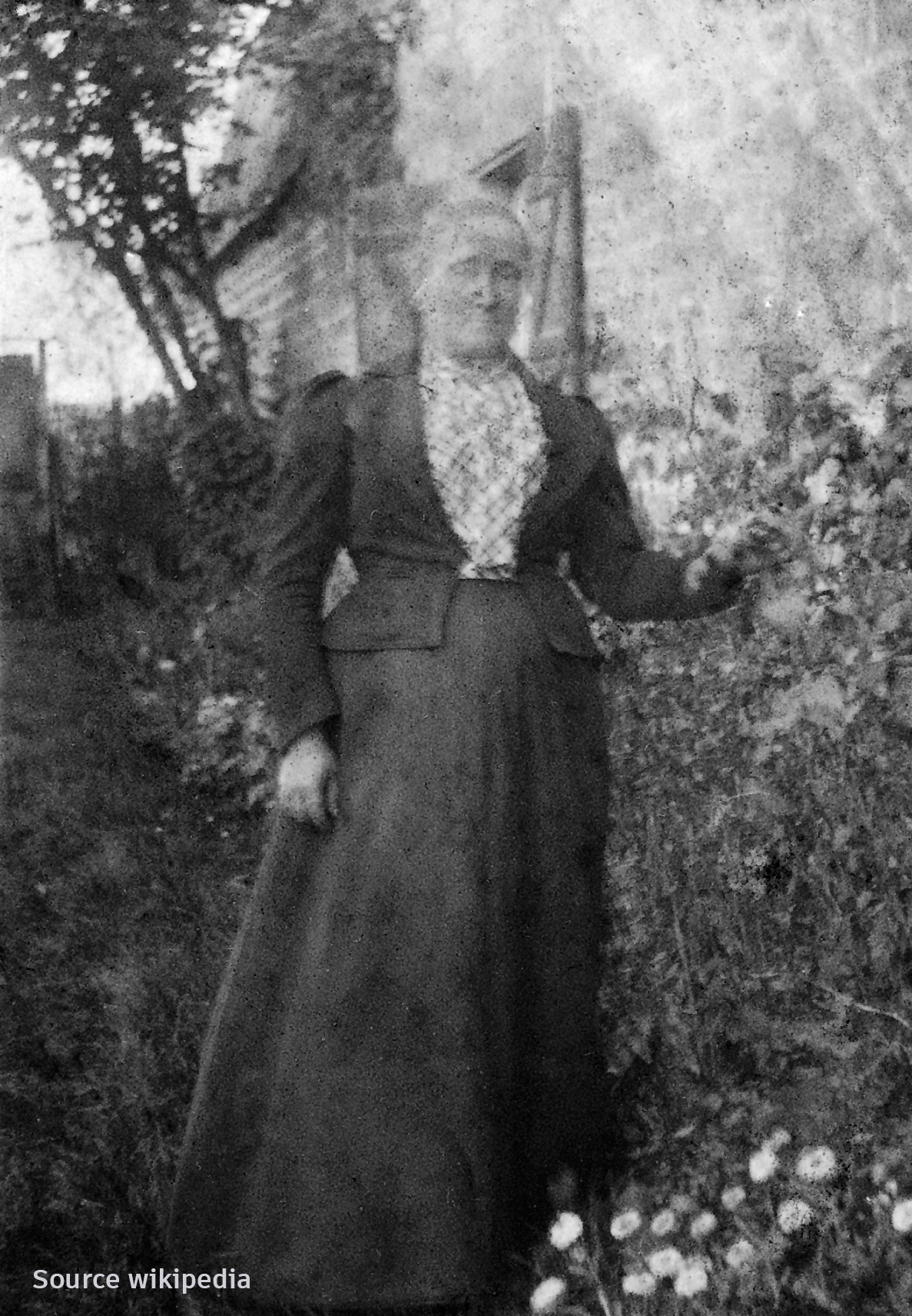
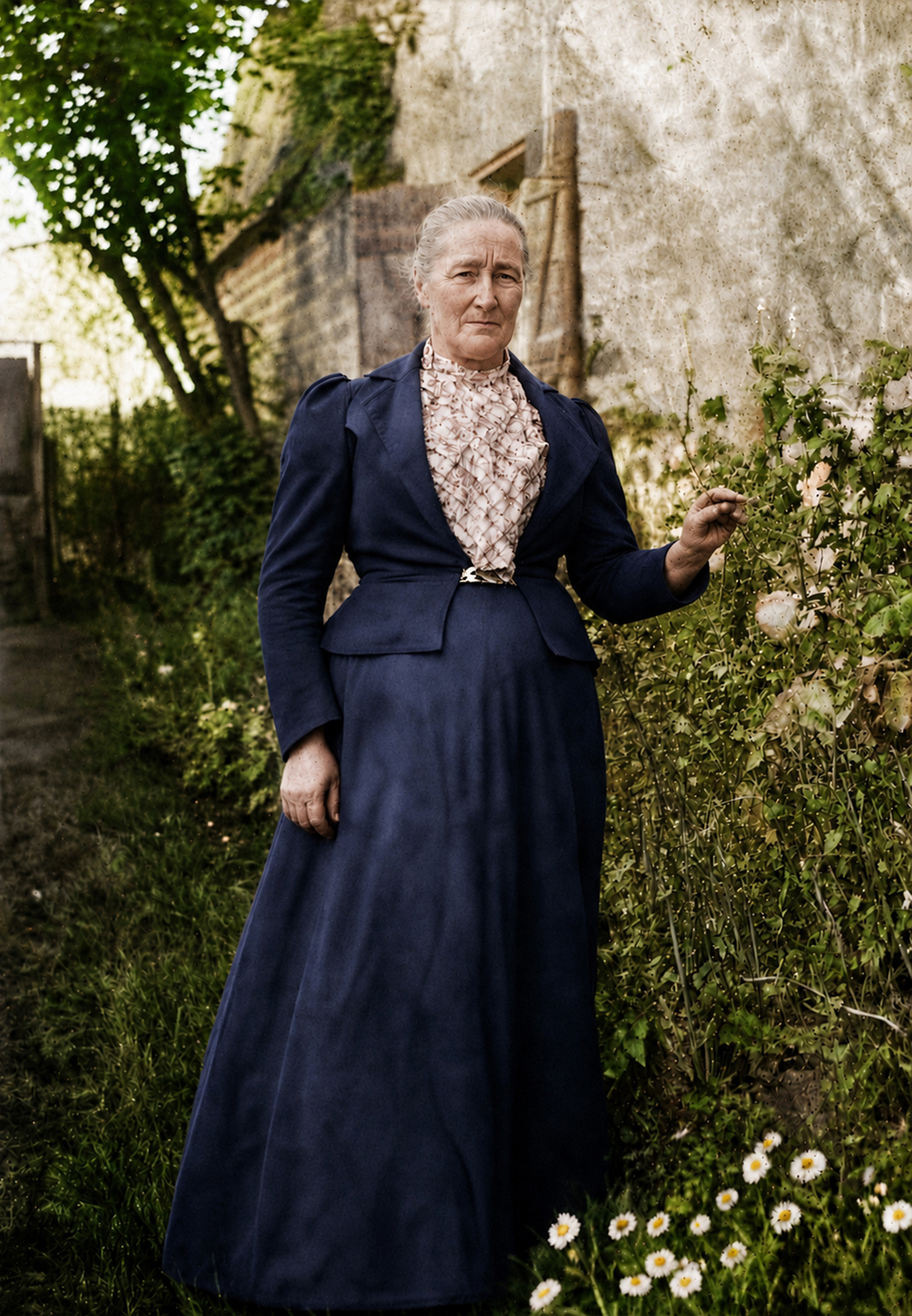
Arthur Rimbaud’s mother and the wife of Frédéric Rimbaud, Vitalie Cuif was born on 10 March 1825 in Roche, in the Ardennes region of France, and died there on 1 August 1907. Following the couple’s separation, she raised their four children alone. Her authority and strict discipline profoundly influenced the poet’s childhood. To the best of our knowledge, this portrait is the only surviving photograph of Vitalie Cuif.
This restoration proved considerably more challenging than the previous ones. The original photograph is severely deteriorated, and the face is so poorly preserved that it cannot be reconstructed faithfully from the visible information alone. Nearly one hundred different versions were tested before arriving at the interpretation presented here. To recover a coherent facial expression, it was necessary to incorporate external sources of information, particularly historical descriptions portraying Arthur Rimbaud’s mother as a stern, austere, and severe woman. The resulting portrait therefore does not claim to be an exact reconstruction, but rather a documented interpretation intended to restore a human presence to a photograph that had seemingly lost its subject.
Arthur Rimbaud
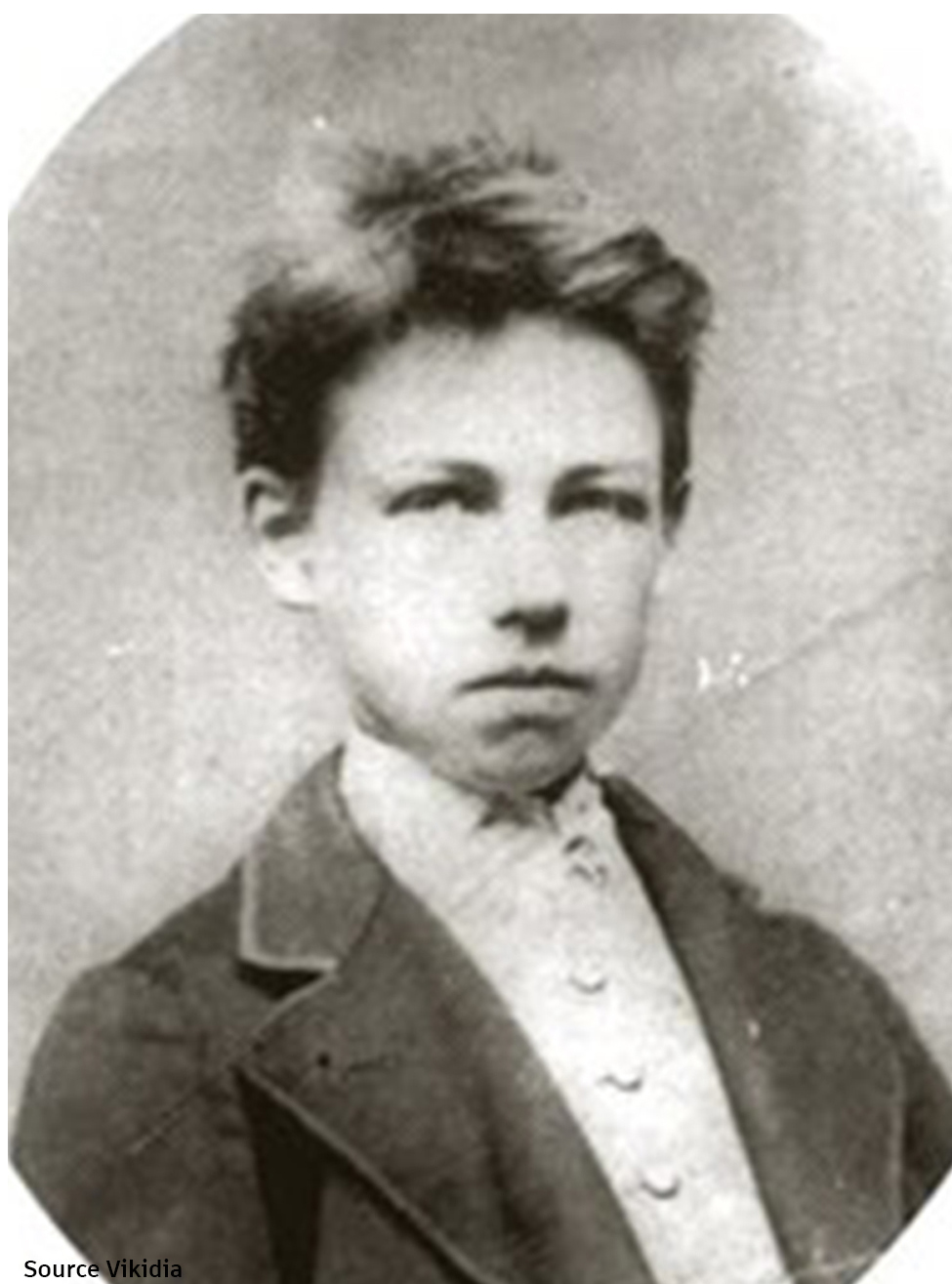
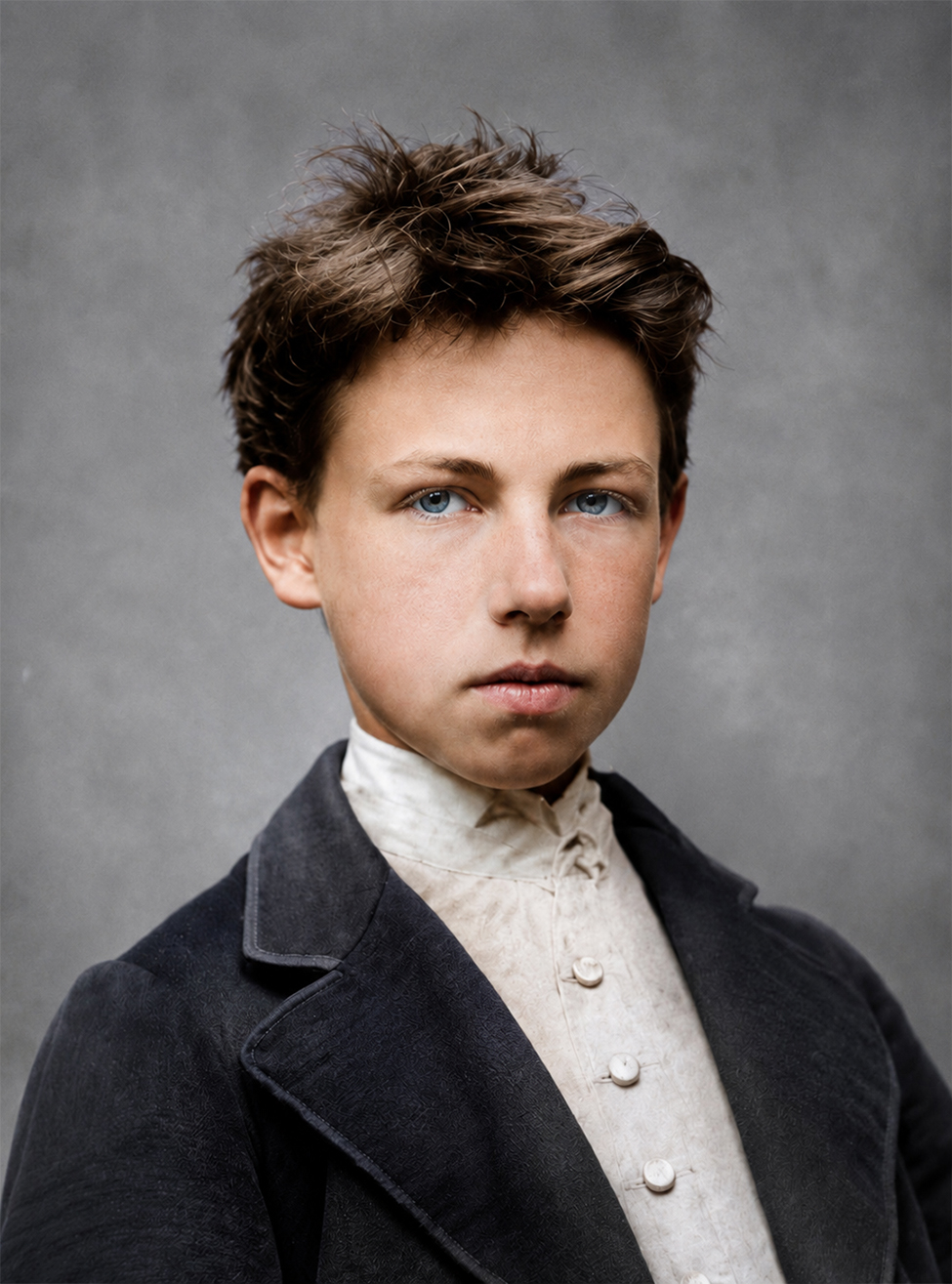
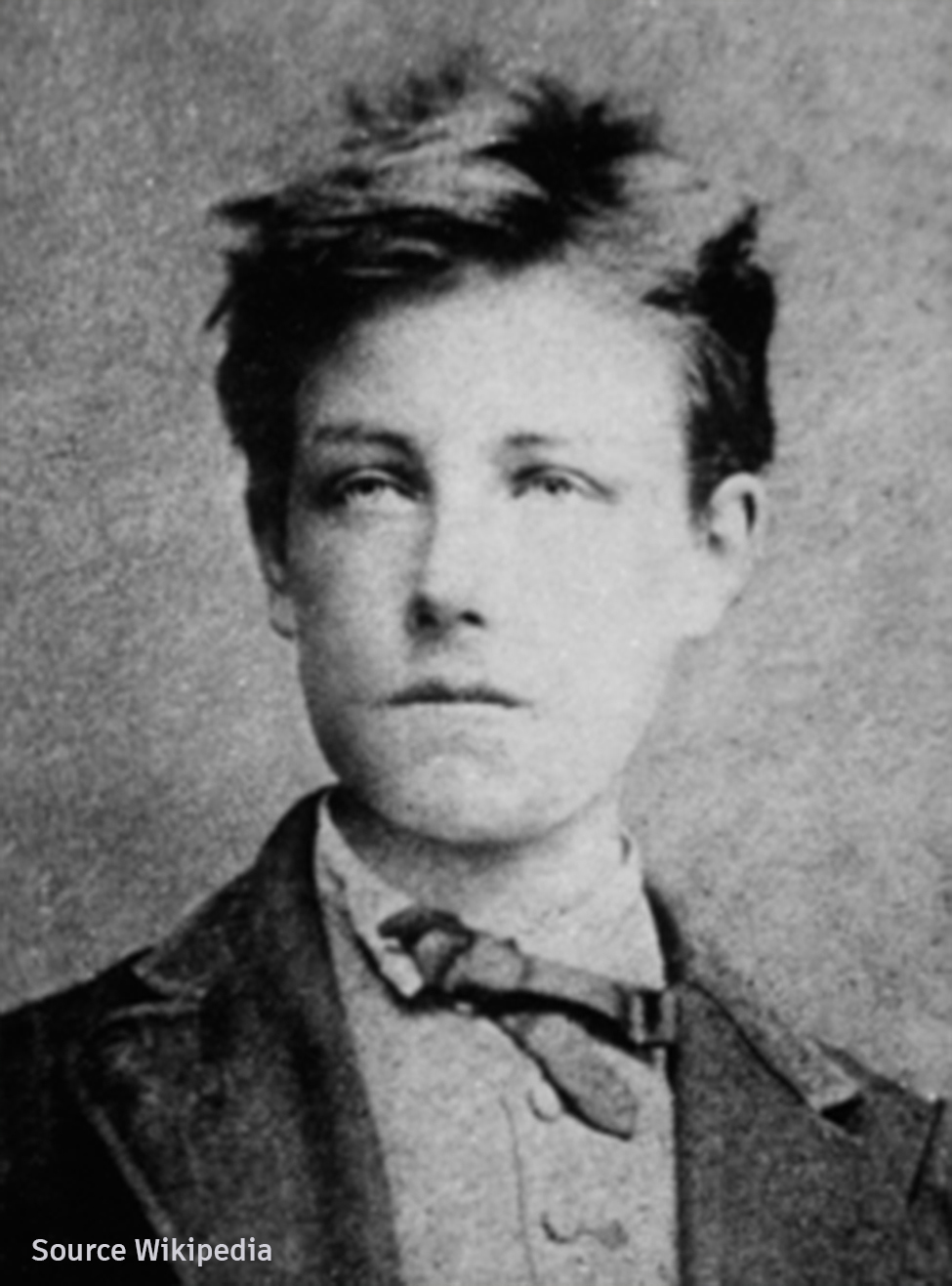
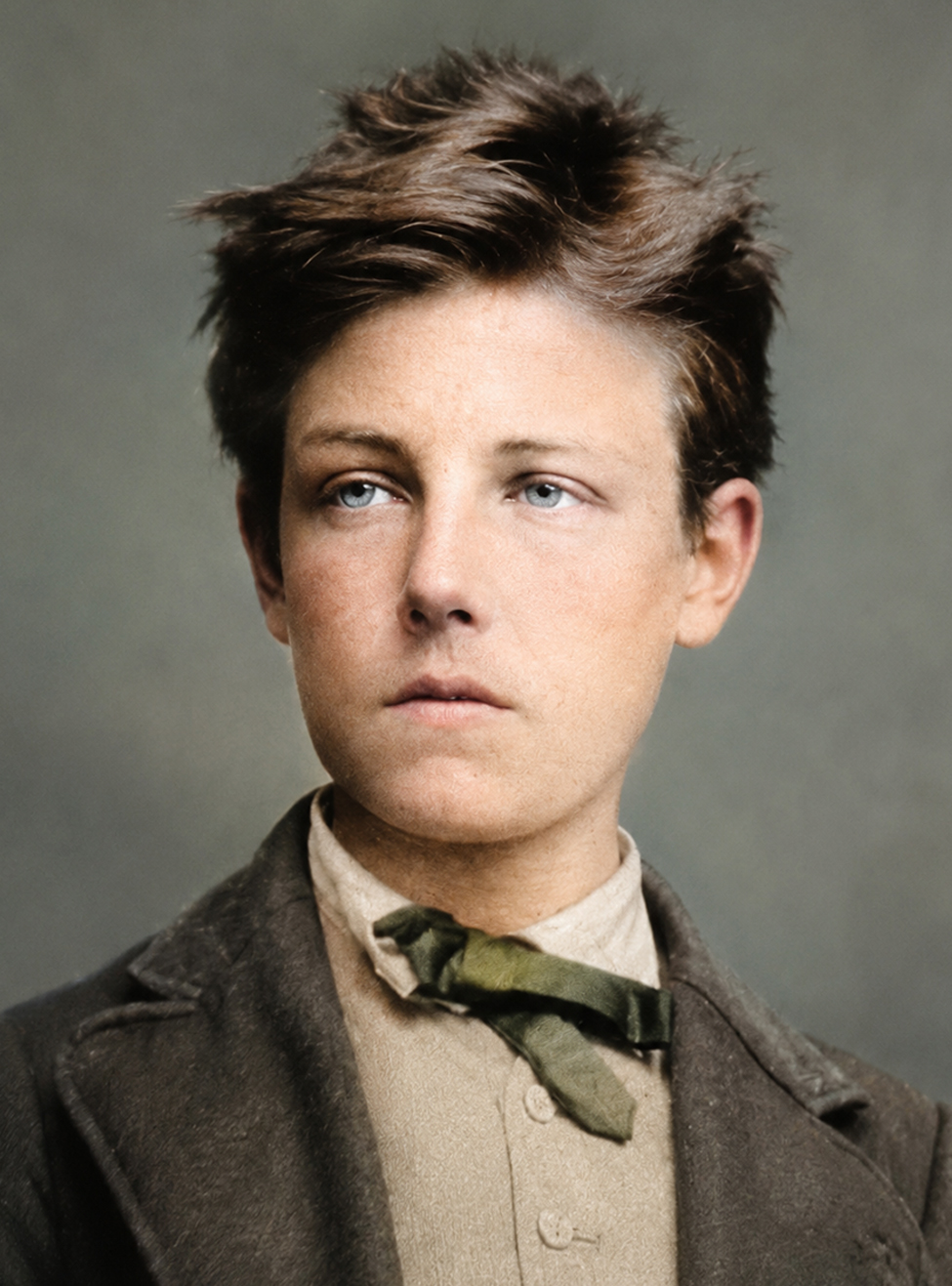
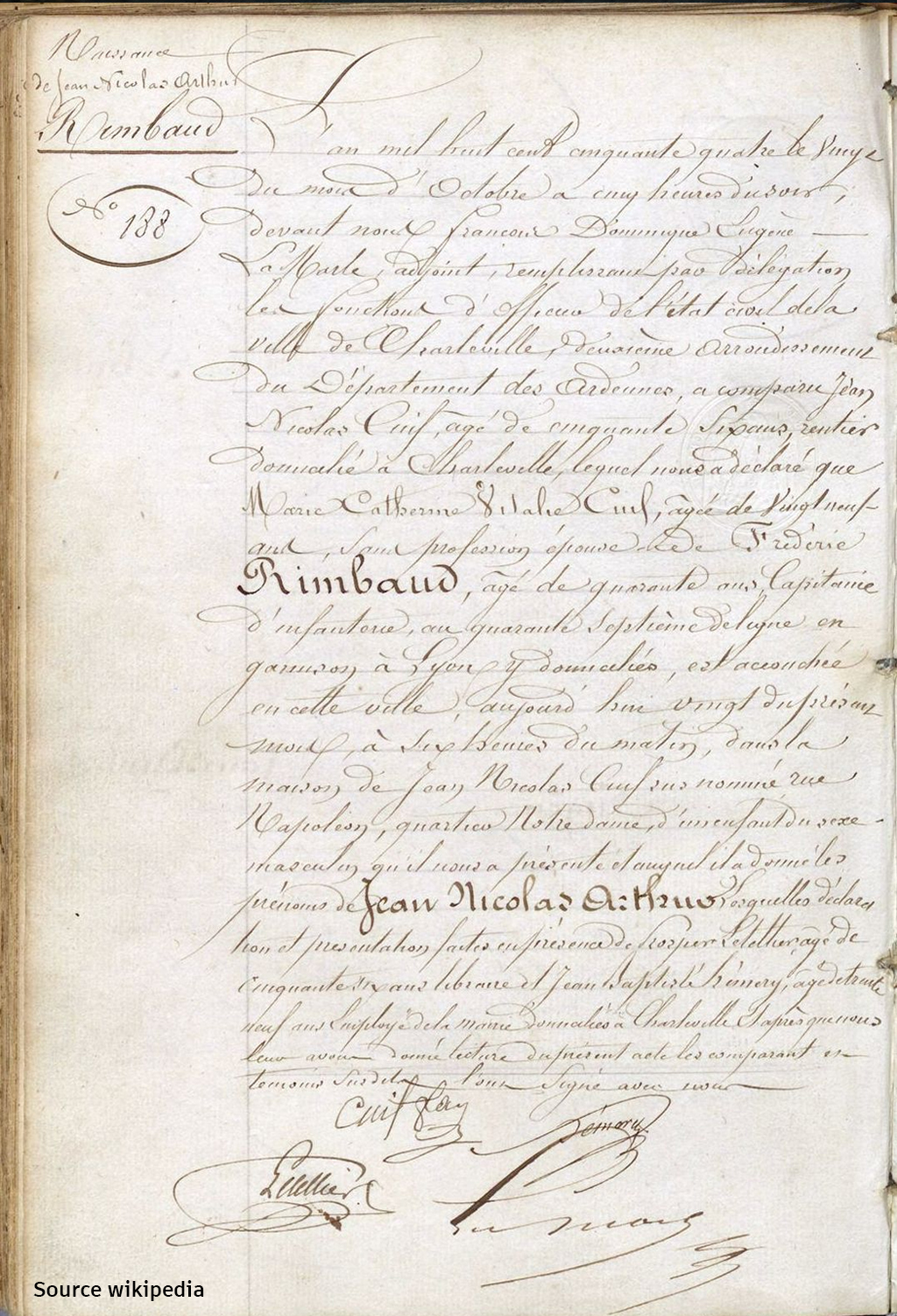
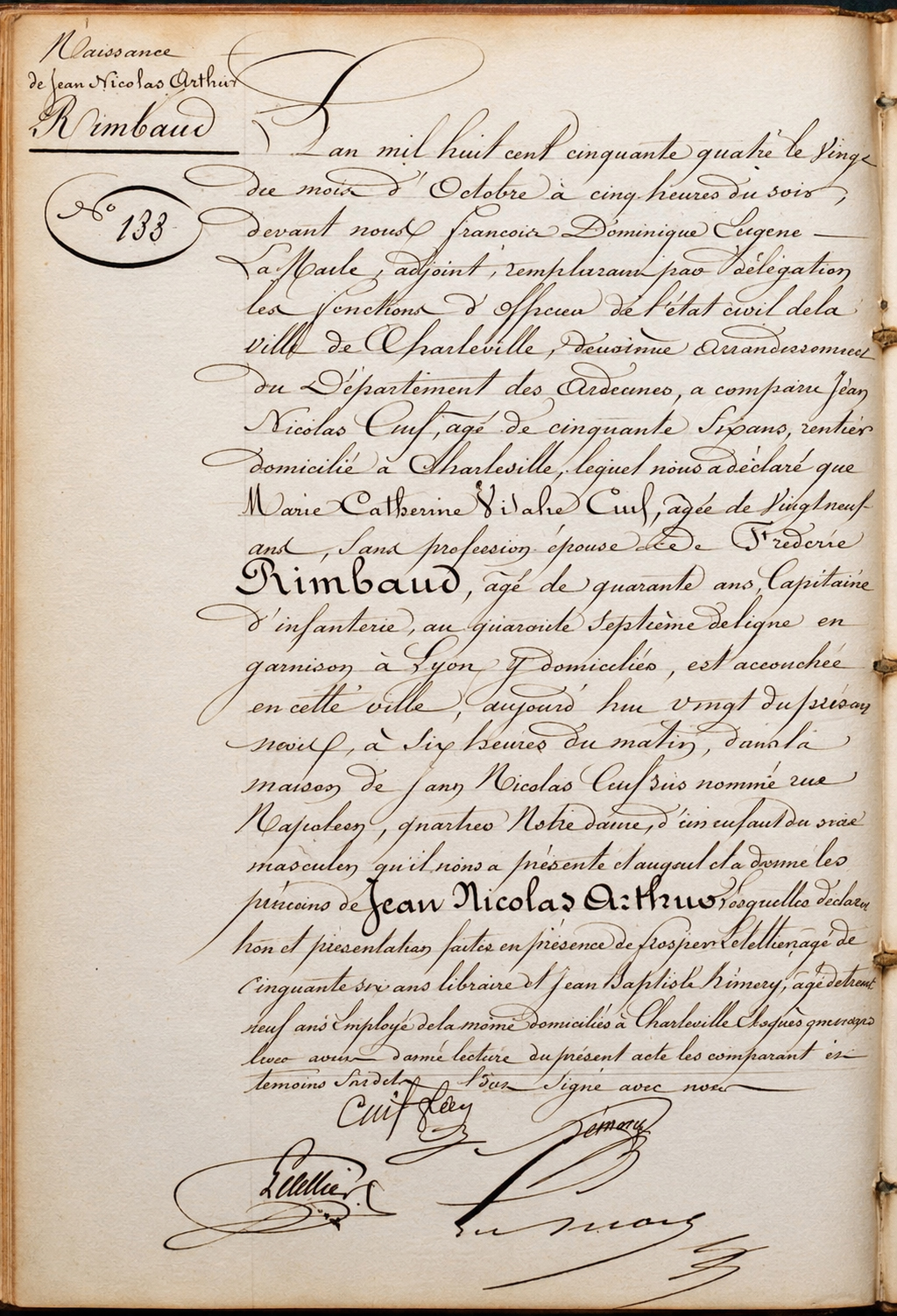
Arthur Rimbaud (20 October 1854 – 10 November 1891) was a French poet and one of the most influential figures in French literature. The surviving photographic portraits of his youth have played a major role in shaping the image that posterity has retained of him and have become enduring icons of France’s literary heritage.
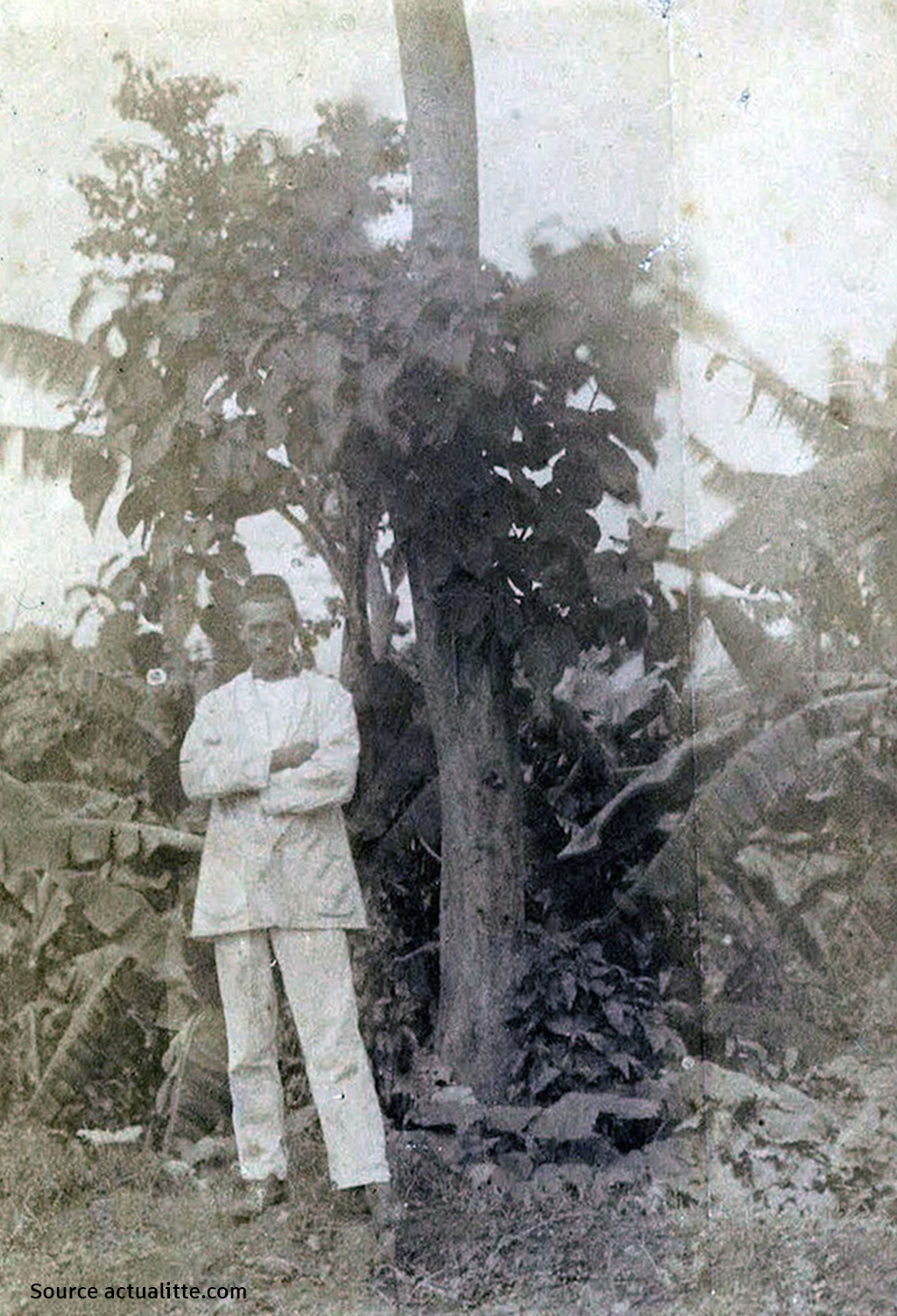
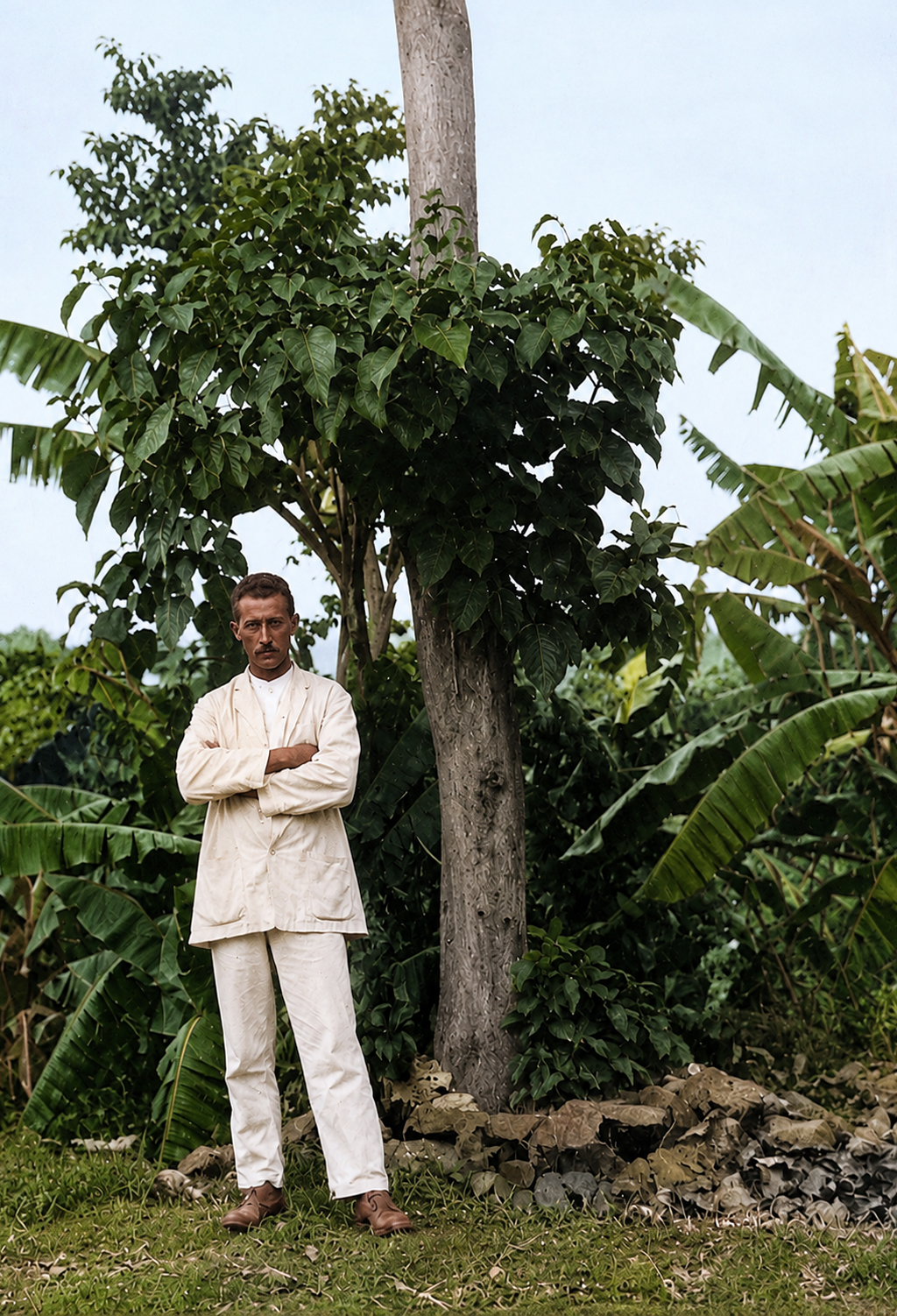
These restorations highlight the ability of artificial intelligence to recreate a sense of physical continuity across multiple photographs of the same individual. Although each portrait remains an interpretation, the AI relies on the features that are genuinely visible in the original photographs to produce a coherent representation of Arthur Rimbaud at different stages of his life. Facial structure, skin texture, hair, and expression regain a sense of presence that brings these historical photographs closer to the way we perceive faces today. This approach also makes it easier to appreciate the evolution of Rimbaud’s features, from the still youthful face of adolescence to the more mature and determined gaze of early adulthood. Beyond their aesthetic appeal, these reconstructions offer a renewed way of looking at photographs that have become familiar over time, creating the impression of encountering Arthur Rimbaud as he might have appeared before the lens of a modern camera.
These images do not, of course, claim to reveal Arthur Rimbaud’s “true” appearance. Rather, they are documented interpretations, grounded in the visual evidence preserved in the original photographs and informed by the capabilities of artificial intelligence. Their value lies not in an unattainable historical exactitude, but in their ability to make these portraits more legible, more lifelike, and, paradoxically, to bring us closer to the man behind the photographs.
Vitalie Rimbaud
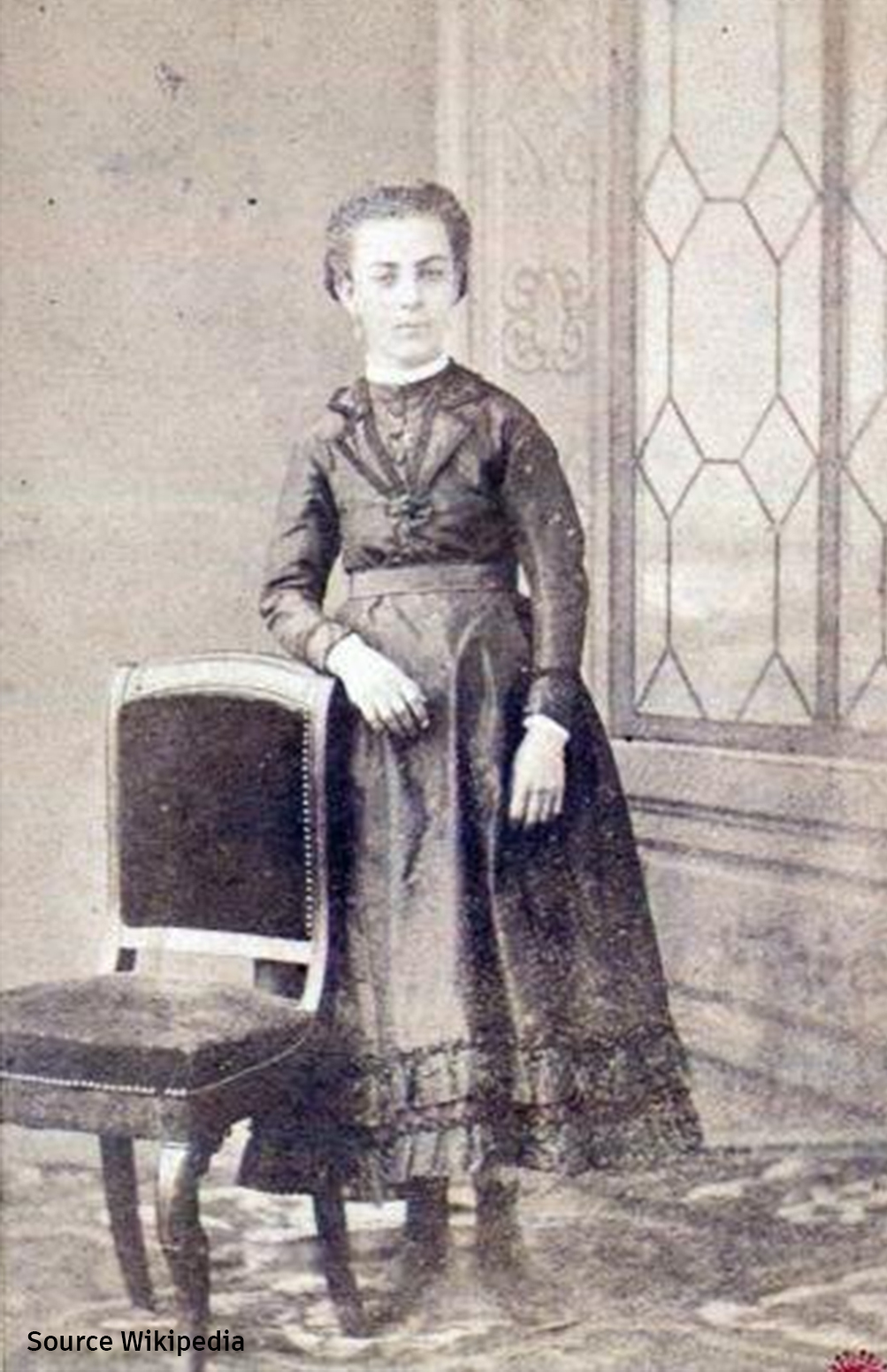
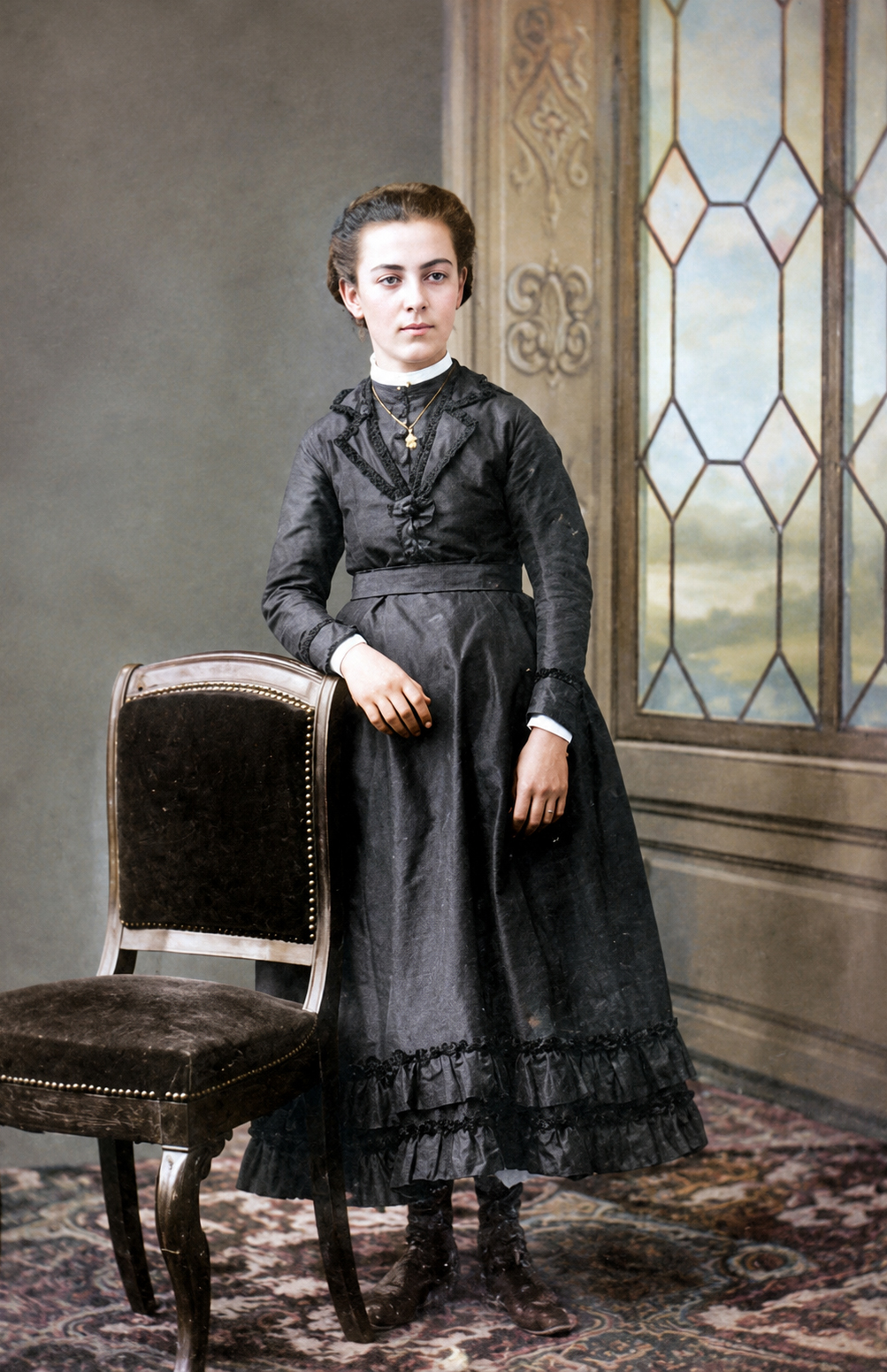
Arthur Rimbaud’s sister, born on 15 June 1858 in Charleville and died there on 18 December 1875 at the age of seventeen from tuberculous synovitis. Her death deeply affected the family. According to the testimony of Ernest Delahaye, Arthur Rimbaud attended her funeral with his head shaved—a traditional gesture of mourning that left a lasting impression on those who witnessed it.
This restoration perfectly illustrates the contribution that artificial intelligence can make to historical research. Beyond simple colourisation, it significantly improves the readability of details in the studio setting and furniture, particularly the studio chair, whose shape, mouldings, and decorative trim become much easier to distinguish. This enhanced readability enables more reliable image interpretation and comparison with other portraits produced by Eugène Vassogne, in which the same piece of furniture appears. These correspondences strengthen the hypothesis that this portrait was taken in the photographer’s studio in Charleville. In this way, restoration becomes more than a visual enhancement: it also serves as a tool for documentary analysis, revealing material evidence that had previously been difficult to observe and interpret.
Example of a portrait photographed in Eugène Vassogne’s studio, featuring the same studio chair. :
https://www.portraitsepia.fr/photographes/vassogne/jeune-fille-debout-pres-dune-chaise/
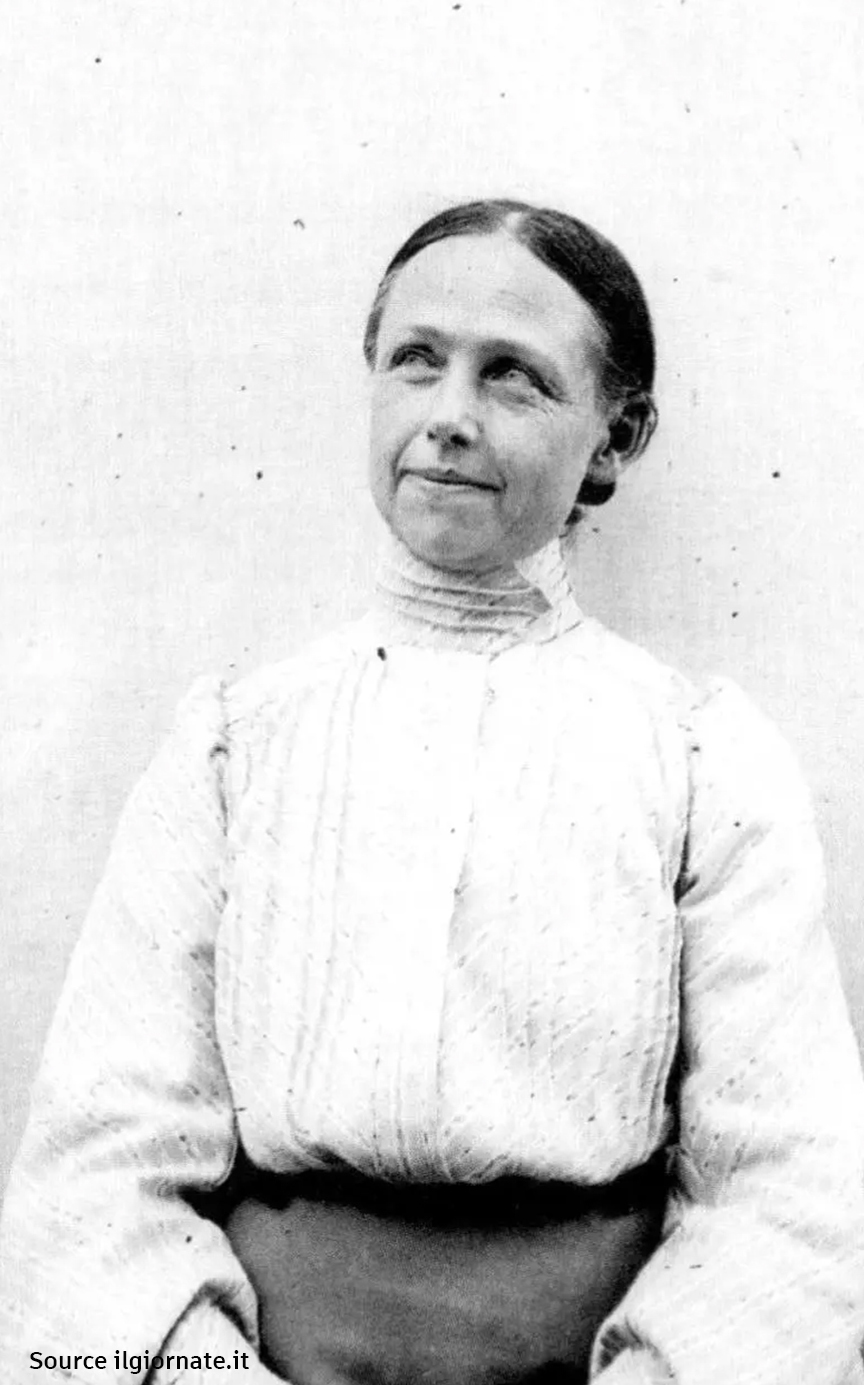
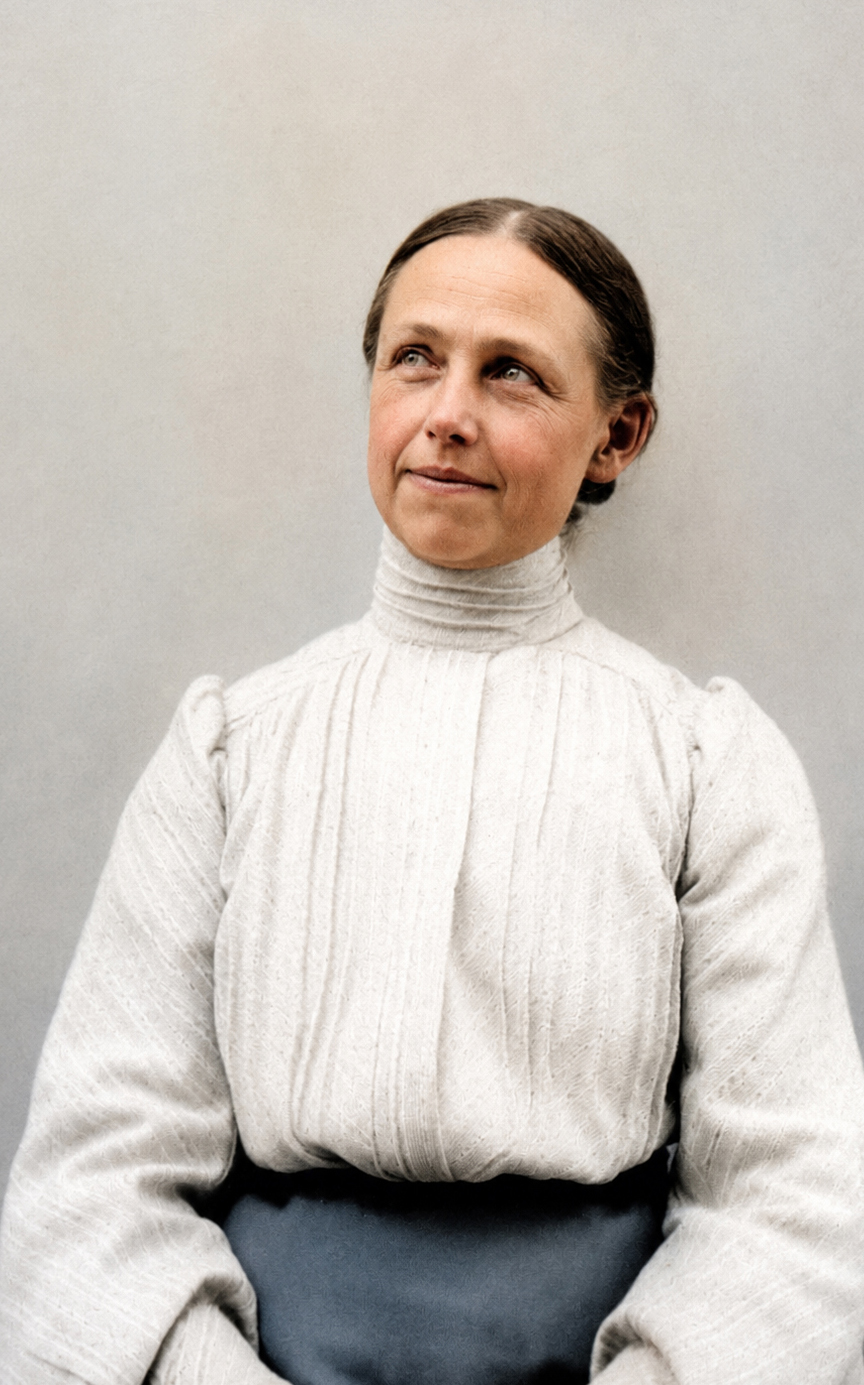
Isabelle Rimbaud
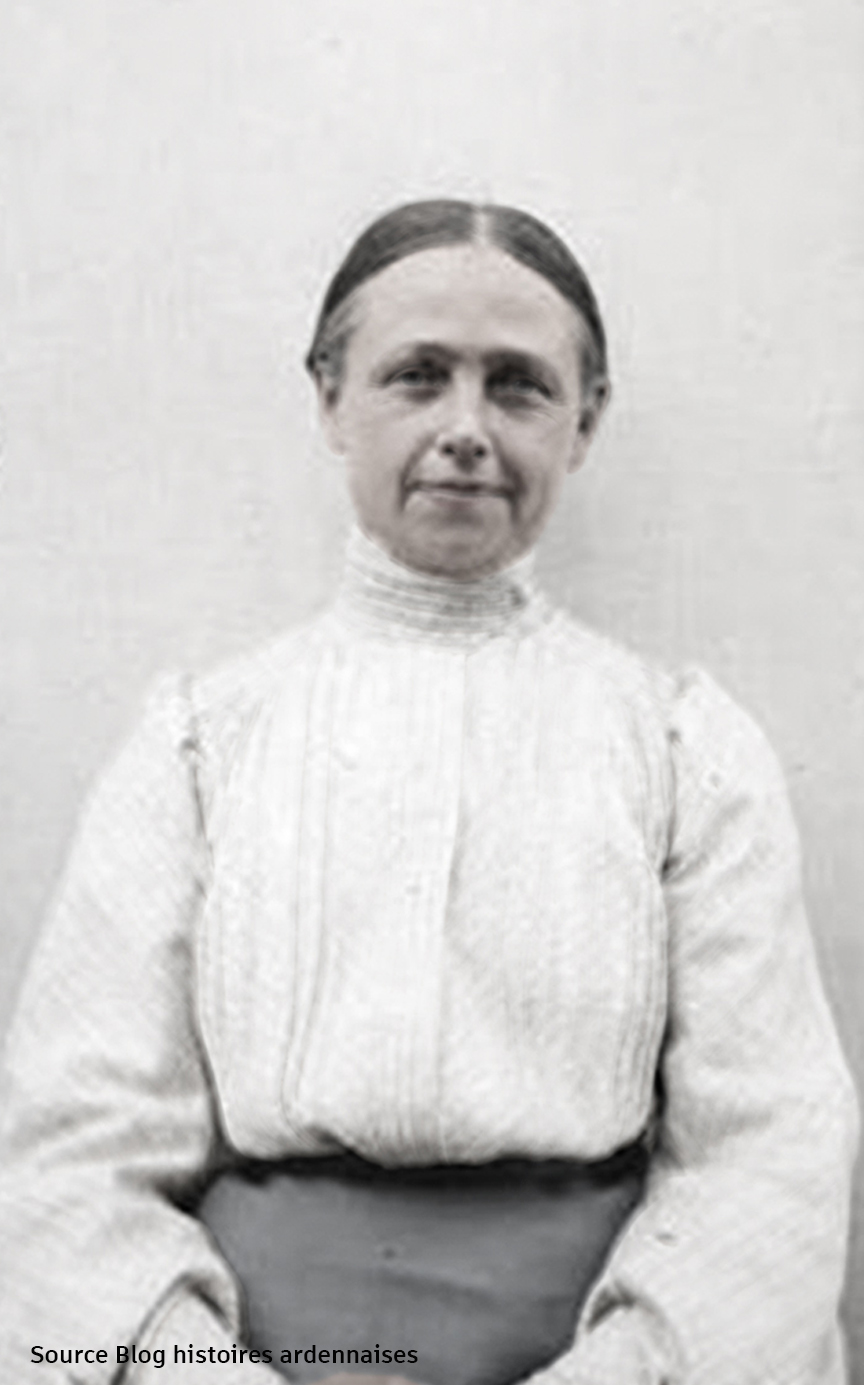
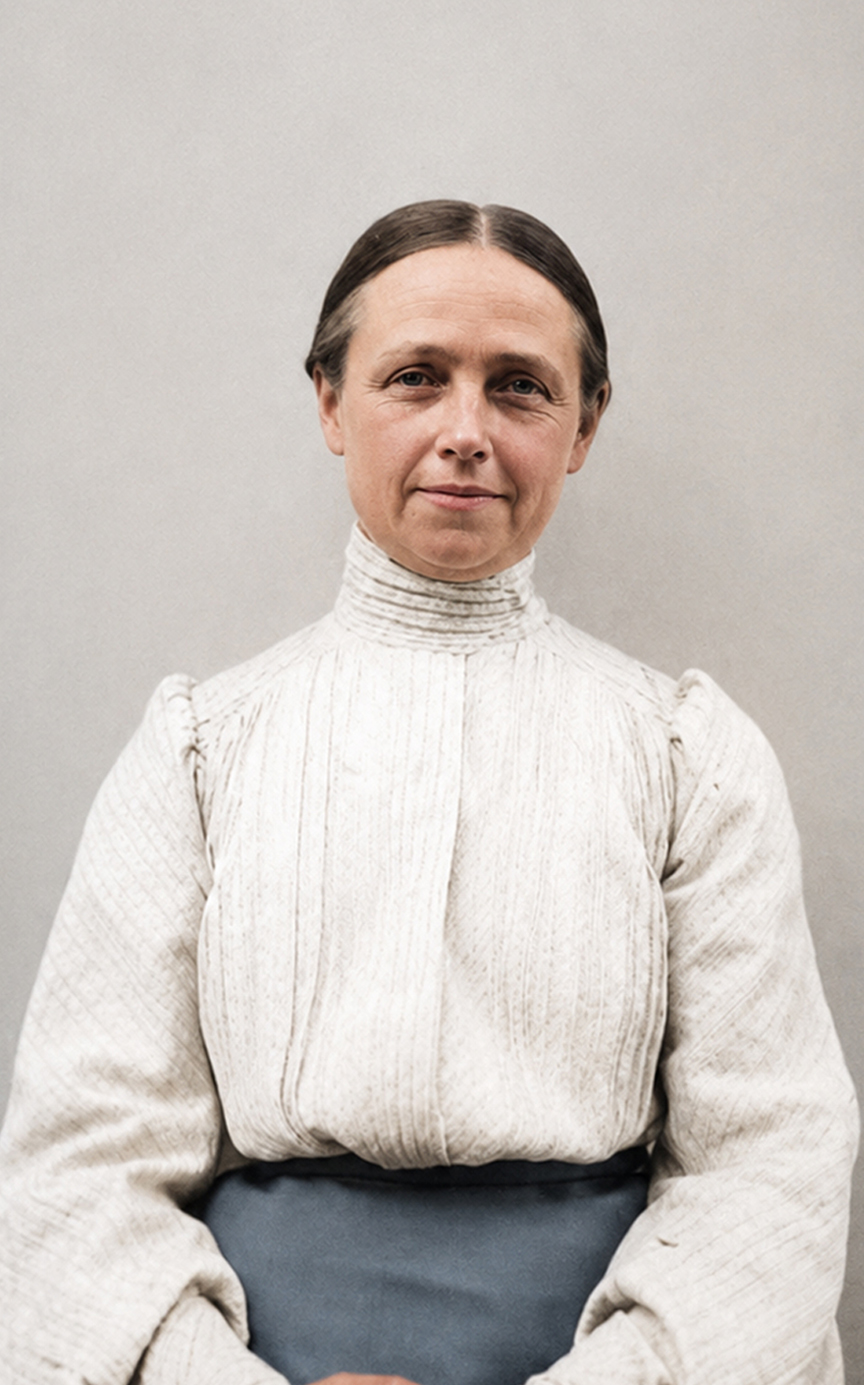
Arthur Rimbaud’s sister, born on 1 June 1860 in Charleville and died on 20 June 1917 in Neuilly-sur-Seine, was a French writer. She accompanied her brother during the final weeks of his life in Marseille and remained at his bedside until his death on 10 November 1891. Through her memoirs and the works she published in the years that followed, she made a significant contribution to preserving the memory and legacy of the poet.
Unlike some restorations that require a significant degree of interpretation, this portrait of Isabelle Rimbaud illustrates a different aspect of artificial intelligence. Because the original photograph is relatively well preserved, the AI is not required to reconstruct a missing face, but rather to reveal details that are already present in the image. The softness of her gaze, the delicacy of her features, the subtle variations in her complexion, and her faint smile regain a clarity that gives the impression of a contemporary photograph. Rather than transforming Isabelle Rimbaud, this restoration appears to recover the quality originally captured by the nineteenth-century photographer, before the passage of time gradually diminished its subtle details.
Frédéric Rimbaud
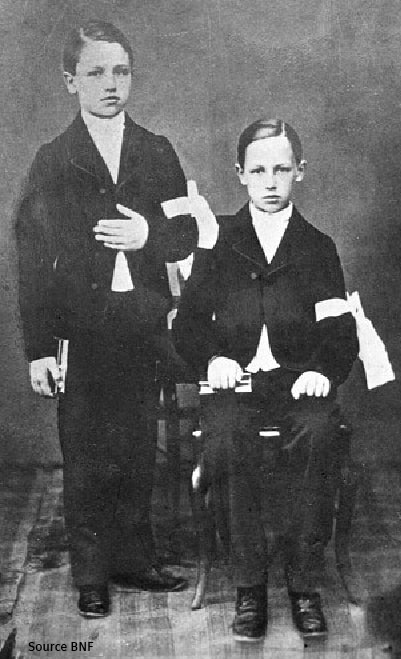
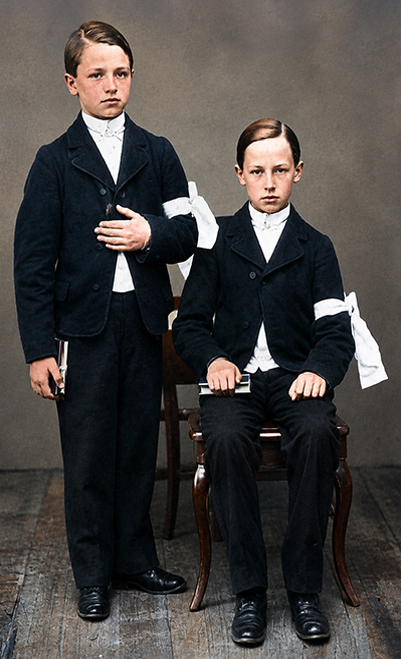
Left: Frédéric Rimbaud, Arthur Rimbaud’s brother, was born on 2 November 1853 in Charleville and died on 30 June 1911 in Vouziers. He spent his entire life in the Ardennes, leading a quiet life far removed from the extraordinary destiny of his younger brother. He was the only one of Frédéric and Vitalie Rimbaud’s four children to leave descendants.
This restoration highlights a perceptible difference in temperament between the two brothers. Without altering their identity, it enhances the expressions originally captured by the photographer: Frédéric appears calmer and more protective, while Arthur already reveals the intensity and determination that would come to define his future. These subtle nuances, barely discernible in the original print, become much easier to perceive, lending new depth to what has become an iconic portrait of the Rimbaud brothers’ childhood.
Conclusion
At the conclusion of this work, one thing becomes clear: artificial intelligence is not a substitute for the historian, the conservator, or the original document. Rather, it is a complementary tool, capable of revealing overlooked details, improving the readability of historical photographs, and opening new avenues for documentary analysis. The restorations presented here are the result of an extensive process of experimentation. In some cases, dozens—or even more than a hundred—AI-generated versions were produced for a single image, each one systematically compared against historical sources and contemporary descriptions. Every final restoration was selected not as a definitive historical truth, but as the most plausible interpretation in light of the evidence currently available.
Beyond their aesthetic value, these restorations demonstrate that artificial intelligence can become a valuable tool for cultural heritage. It can reveal details that have become difficult to perceive, facilitate comparisons between historical documents, and even uncover material evidence that can support historical research, such as the furniture used in a photographic studio or elements of its décor. Used with methodological rigour, transparency, and critical judgement, AI offers a new way to study, preserve, and share photographic archives.
The original photographs remain the only authentic visual testimonies of the nineteenth century. These restorations are not intended to replace them, but to offer a renewed way of reading and appreciating them, making these remarkable documents more accessible to contemporary audiences. While they cannot show us exactly the faces that Arthur Rimbaud’s contemporaries once knew, they can at least help reduce the distance that separates us from them. Behind the poet whose work has become legendary, they remind us that before he became one of the greatest figures in French literature, Arthur Rimbaud was also a son, a brother, and a member of a family whose surviving photographs now constitute some of our most precious visual records.
Beyond the Rimbaud family, this approach has the potential to be applied to countless photographic collections from the nineteenth and twentieth centuries, whether held in museums, public archives, or private collections. Used with methodological rigour, transparency, and critical judgement, artificial intelligence offers a new path for the preservation, study, and transmission of photographic heritage.